
Electrical Tools for Homeowners
Understand what electrical tools can check and where their limits matter.
Owning a tool does not make electrical work safe. Leave exposed wiring and panel diagnosis to a qualified electrician.
These tools appear in our troubleshooting guides. Start with the non-invasive checks in our dead outlet walkthrough and the warning signs in breaker trip troubleshooting. Keep covers in place. Hand tools are for appropriate work on circuits that a qualified person has isolated and verified de-energized; a tester reading alone is not permission to work.
Ask Sparky may earn a commission from qualifying purchases made through affiliate links, at no additional cost to you.
Essential Testing Tools

Homeowner Pick
Voltage Tester
Voltage Tester
Provides a preliminary indication of AC voltage only. No indication does not prove a circuit is de-energized or safe to touch; follow the manufacturer’s instructions and leave exposed wiring checks to a qualified electrician.
View Tool →
Homeowner Pick
GFCI / Outlet Tester
GFCI / Outlet Tester
Indicates some common wiring faults in compatible 120V, 3-wire receptacles, but cannot rule out every fault or verify ground quality. Its plug-in GFCI test requires a ground path; follow the GFCI manufacturer’s own TEST/RESET instructions too.
View Tool →
Pro Pick
Digital Multimeter
Fluke Digital Multimeter
Professional-grade accuracy and long-term reliability.
View Tool →Basic Home Electrical Toolkit

Screwdriver Set
Klein
General-purpose screwdrivers for appropriate de-energized work. Do not assume cushion grips provide electrical insulation, and never use these tools on or near live circuits. Leave panel work to a qualified electrician.
View Tool →
Wire Strippers
Klein
Good strippers make cleaner conductor prep and reduce the chance of nicking wire when you need to re-terminate a connection.
View Tool →
Needle-Nose Pliers
Knipex
Helpful for shaping hooks, reaching into boxes, and handling small conductors in tighter spaces.
View Tool →
Electrical Tape
3M Super 33+
Useful for identification and manufacturer-approved insulation applications on de-energized wiring. Tape is not a substitute for repairing a damaged cord, replacing damaged wiring, or using an approved splice connector and enclosure.
View Tool →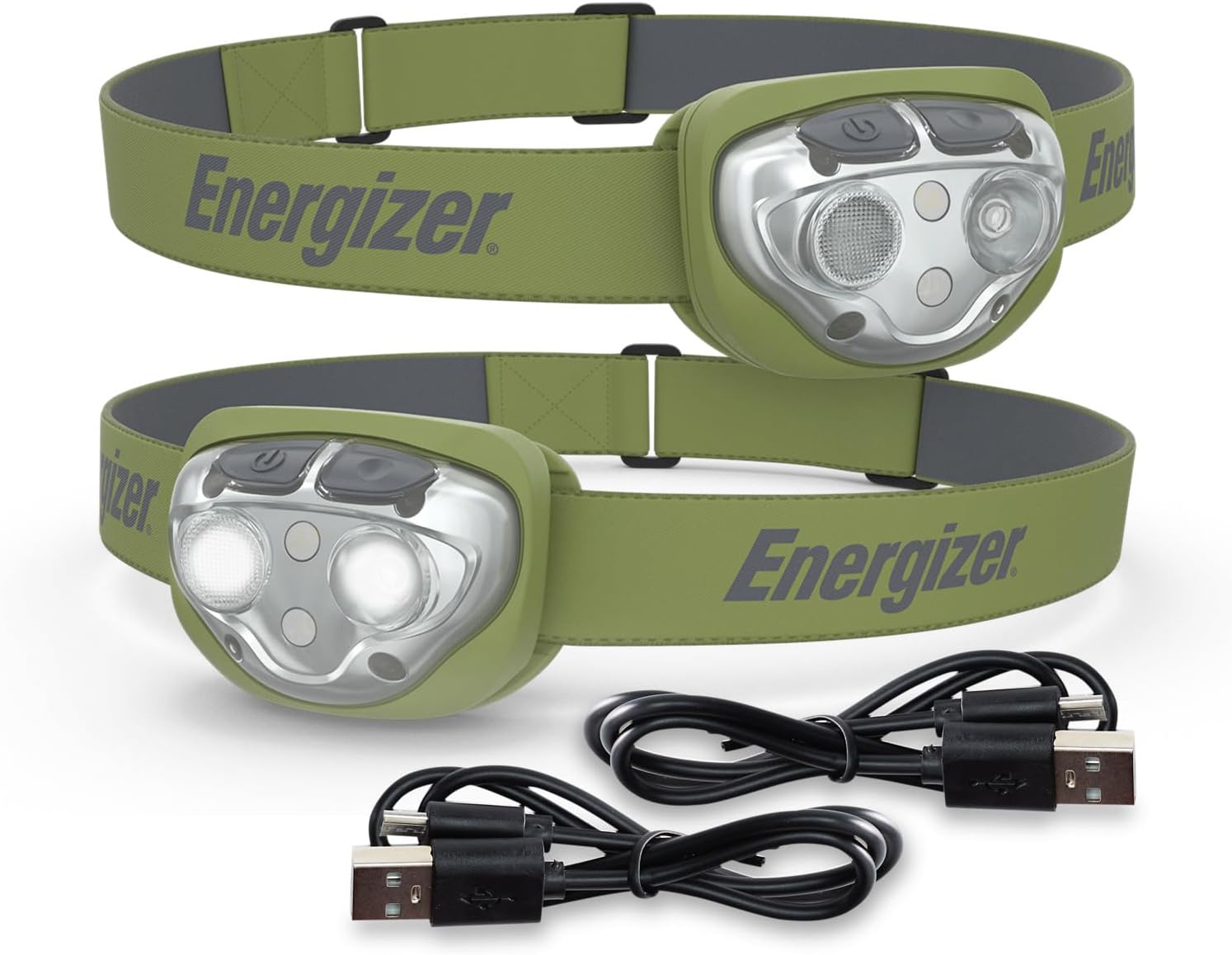
Flashlight / Headlamp
Energizer
Helps with visual checks in dim areas while covers remain in place. Better lighting does not make it safe to open panels or reach into electrical boxes.
View Tool →Pro-Level Tools

Lineman’s Pliers
Klein
A staple hand tool for gripping, twisting, and cutting conductors during heavier repair or installation work.
View Tool →
Diagonal Cutters
Klein
Handy for clean cuts on wire, zip ties, and trimmed ends when you need more control than bulkier cutters offer.
View Tool →
Fish Tape
Klein
Useful when the job goes beyond basic troubleshooting and you need to route new cable through finished spaces or conduit.
View Tool →
Tool Pouch
Veto
A compact pouch keeps your core testers and hand tools organized when you are moving room to room.
View Tool →Helpful Troubleshooting Upgrades
Circuit Breaker Finder
Helps identify the breaker serving a compatible outlet; fixture use depends on the model and approved accessories. Finding or switching off a breaker does not prove absence of voltage. Keep panel covers in place.


Clamp Meter
Measures current around a single conductor within the meter’s ratings. Getting access to that conductor may expose live parts; leave panel and exposed wiring measurements to a qualified electrician. Do not open a panel or separate cord conductors to take a reading.

